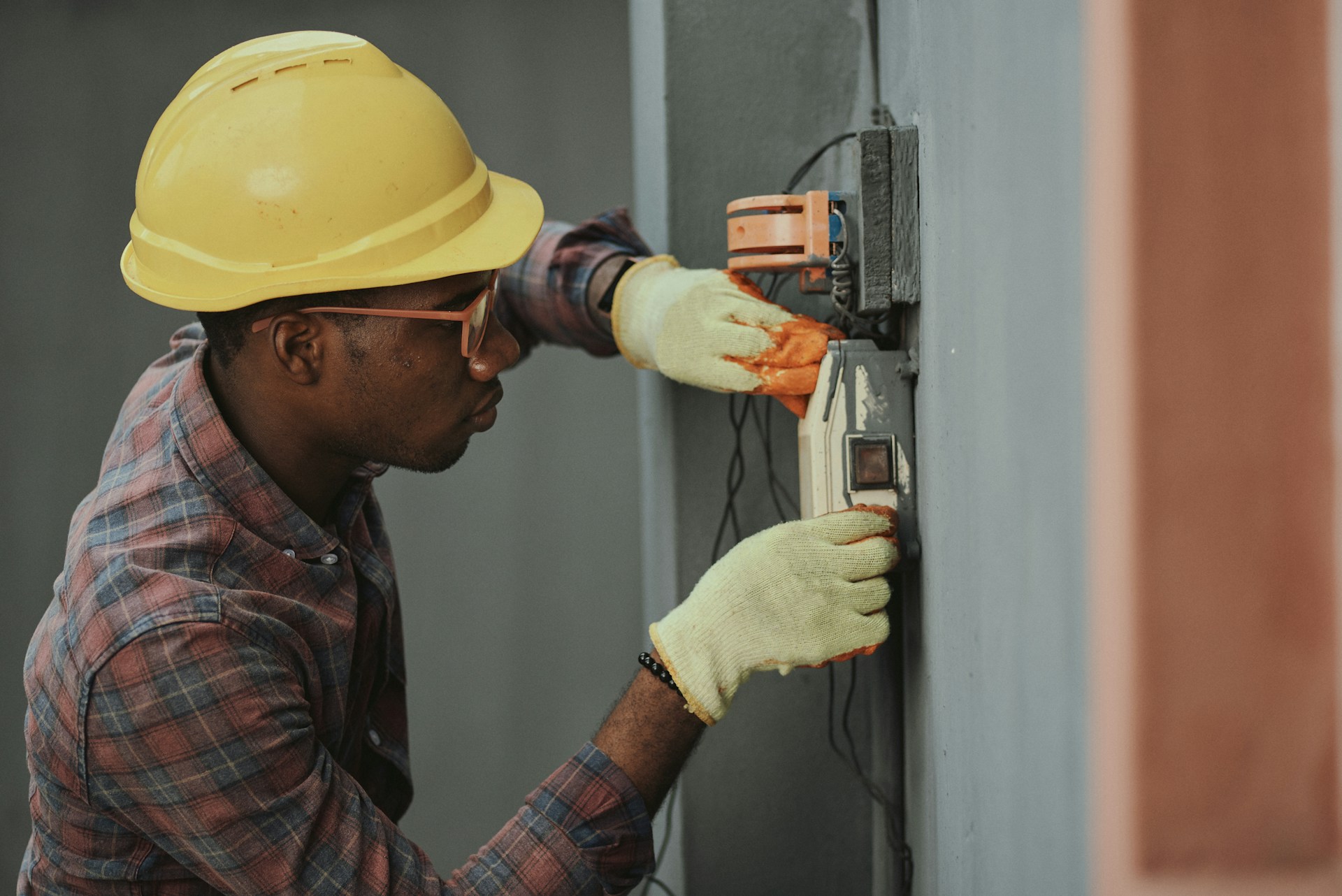
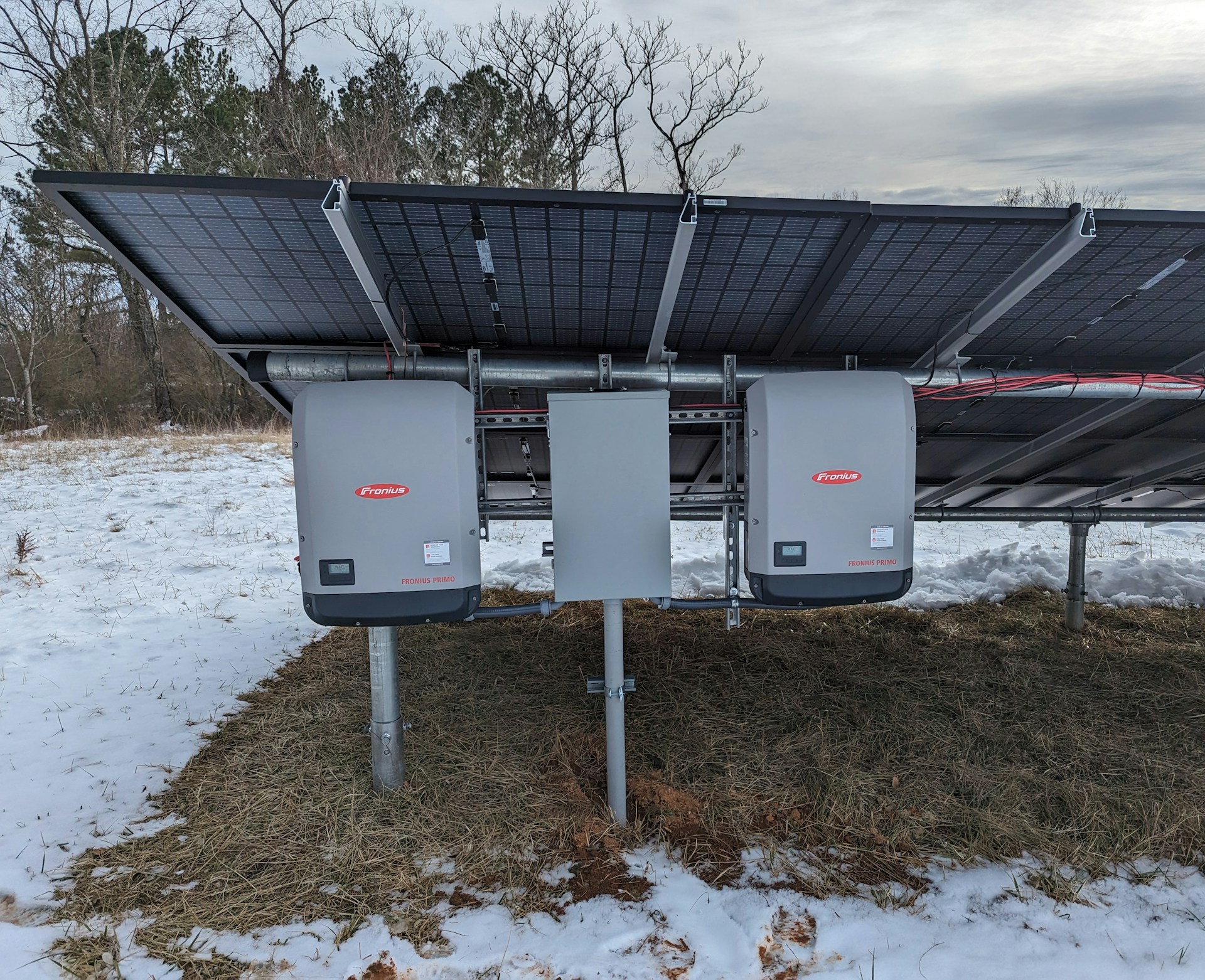
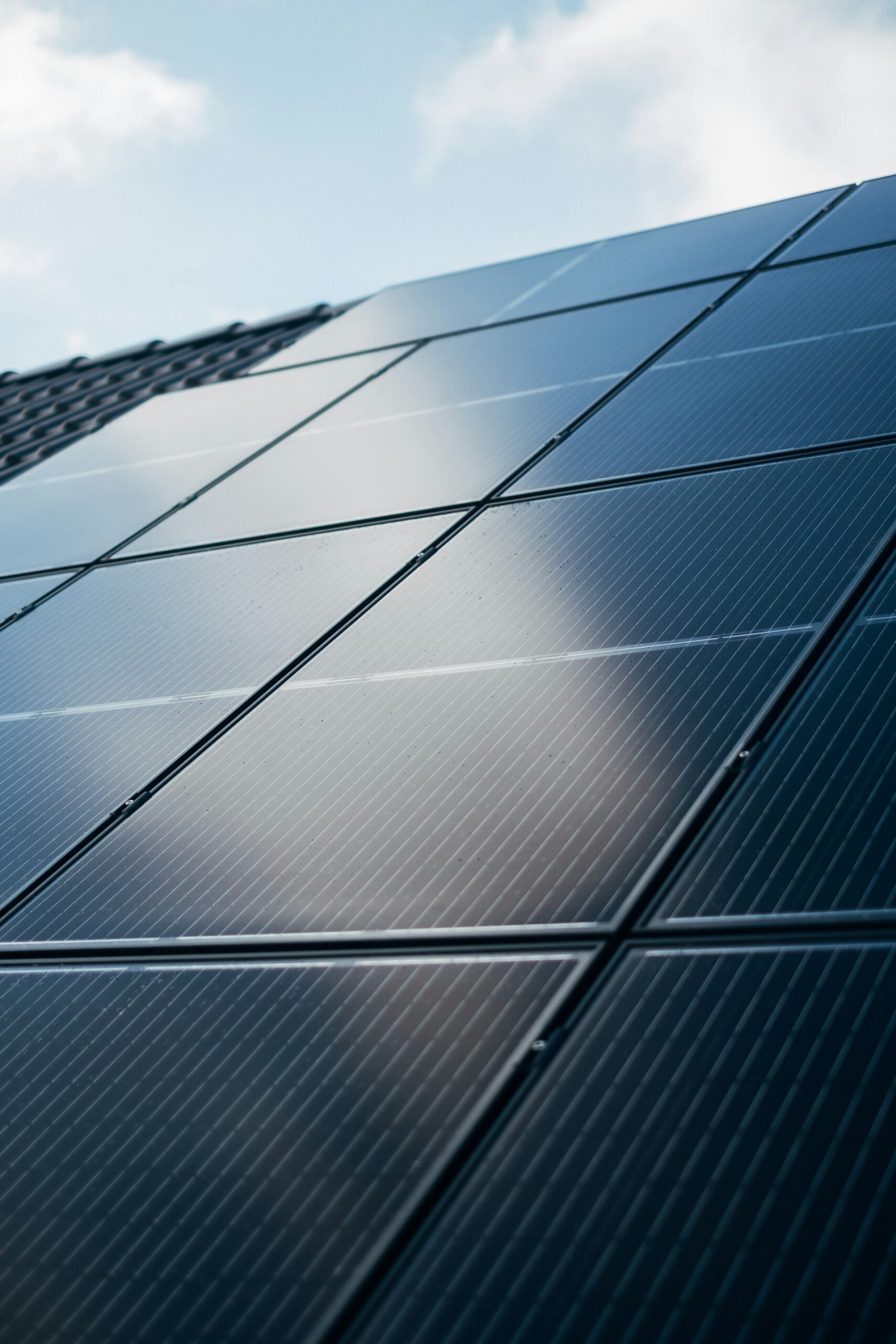
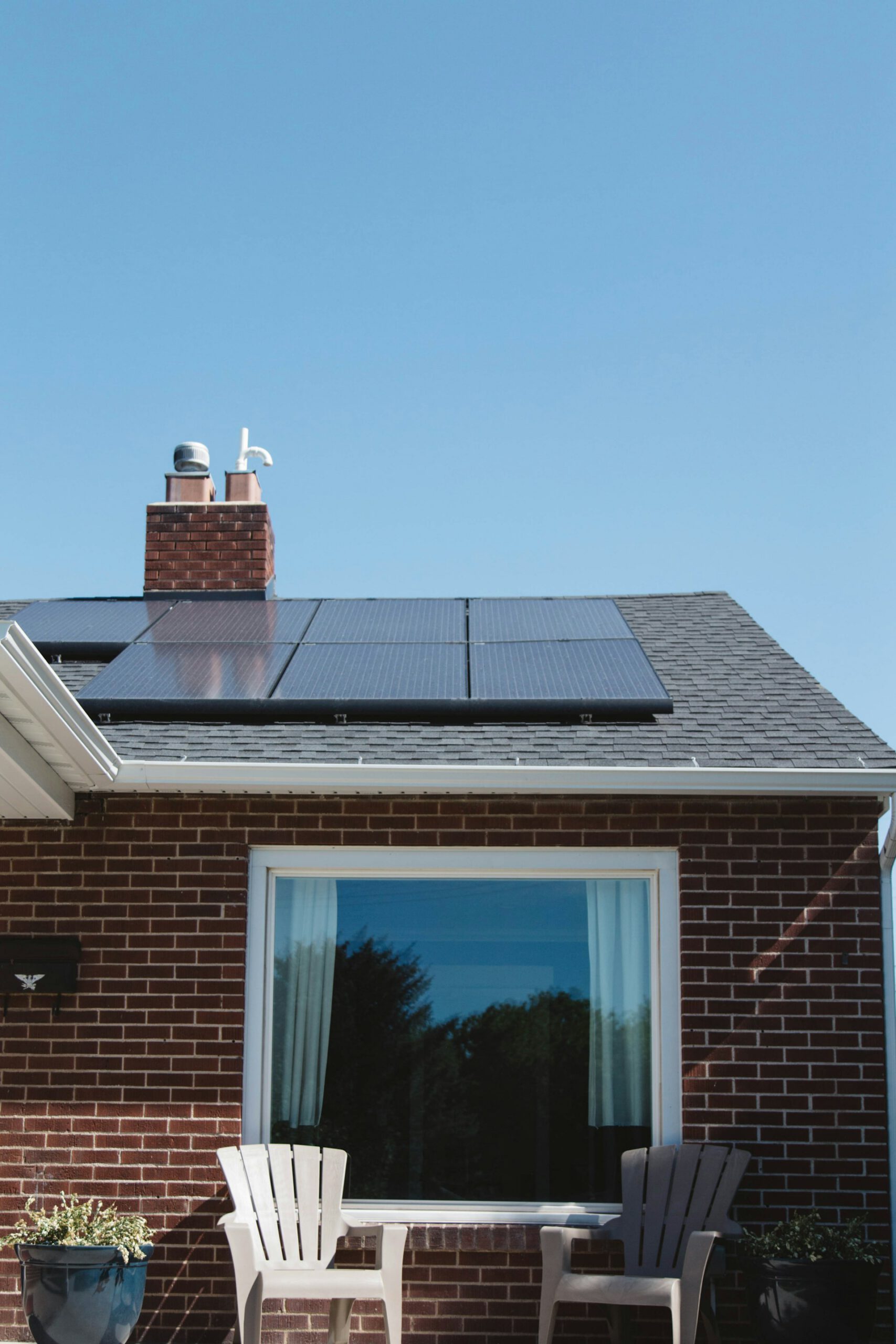
We develop, finance, construct, and operate sustainable energy assets. We accelerate the energy transition by scaling new technologies across the sustainable energy ecosystem.
`Sponsors

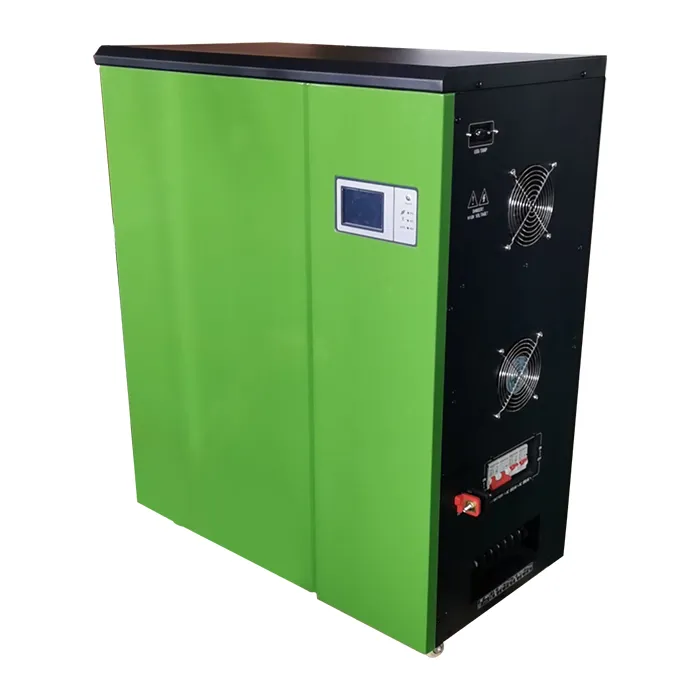
All In One ESS With Gel Battery 1KW to 6KW
Residential, Base station, Ship/Island, Farm, No electricity, Field equipment
300KW Off Grid Solar Inverter for Industry
300KW
E Series Inverter
Schools, Base station, Farm, Residential, Field equipment
120KW Off Grid Solar Inverter for School
Residential, Hotel Villa, Ship/island, Farmland
CPN Series 3Phase Inverter Charger
Residential, Hotel, Farm, Factory
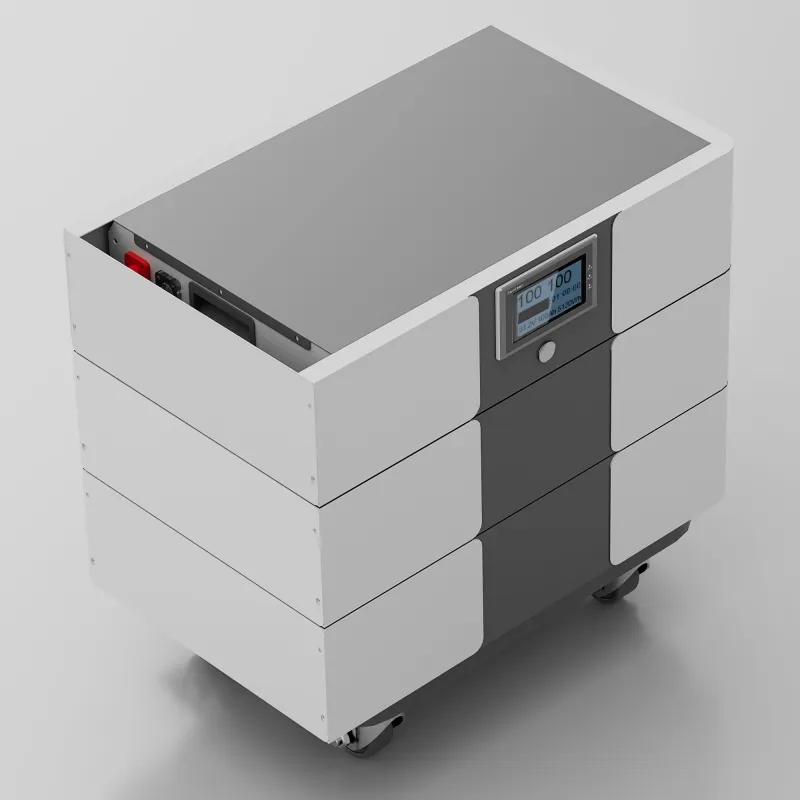
Energy Storage Battery
High quality LiFePO4, Grade A Lithium, and Gel batteries. Wall Mounted
Solar panels are step one, a battery is step two. These numbers show how you go from 30% to 80% self-sufficiency, cut your generator costs by up to GH₵3,000+/year, and finally say goodbye to dumsor. Here’s how to complete your solar setup.
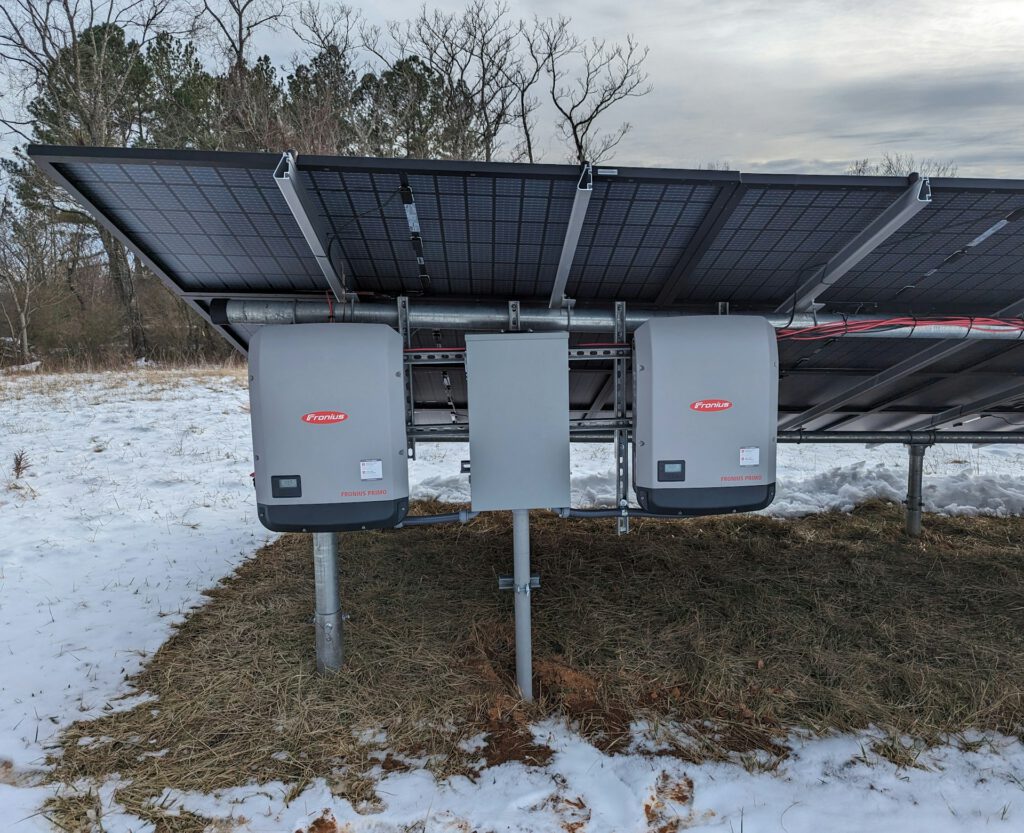
less dependence on ECG power during peak outage hours by storing daytime solar for evening and night use, when dumsor hits hardest.
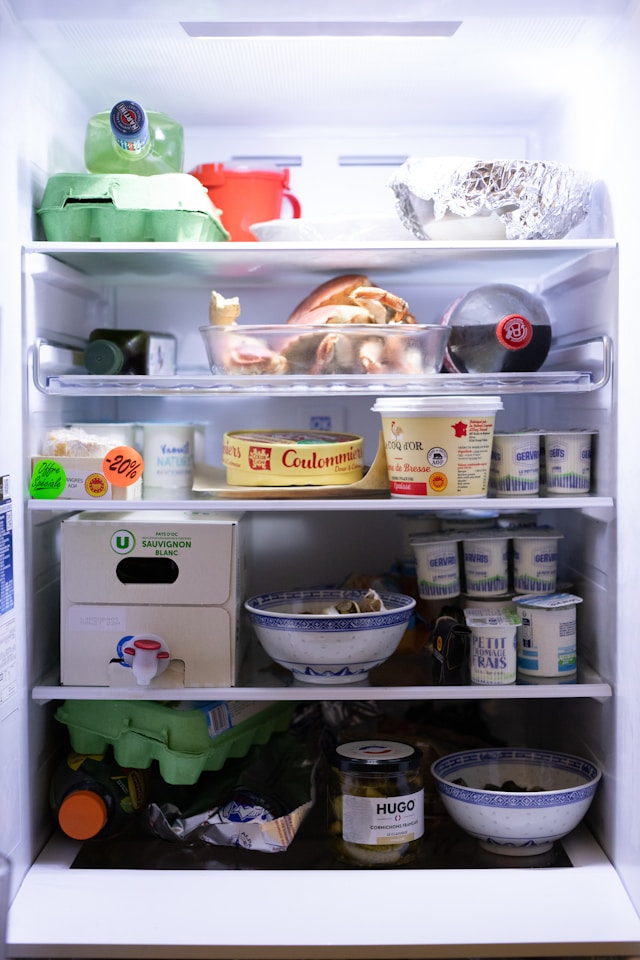
more comfort from uninterrupted power your fridge, freezer, TV, and WiFi stay on even during outages, load-shedding, or transformer faults.
saved per year on fuel and generator maintenance no more diesel runs, noise, fumes, or "I-better-buy-fuel" stress.
longer lifespan for your appliances and electronics stable, clean power protects your fridge, TV, and electronics from the voltage spikes and surges common with generator switching and grid fluctuations.
added value to your property whether you're selling or renting, homes with solar and battery storage attract buyers and tenants faster and can command higher prices, as more Ghanaians prioritize reliable power over dumsor-prone alternatives.
energy independence from the national grid no more waiting on ECG, no more surprise load-shedding schedules.
less CO₂ emitted per year by cutting generator use and running on clean stored solar power instead.
Yes, most batteries are compact — roughly the size of a small fridge or AC unit. They fit easily in a store room, boys’ quarters, garage, or a shaded corner outside. If space is tight, our technicians will help you find the best spot during the site visit.
Most batteries can be placed in a dry, frost-free space close to your meter cupboard. Think of a garage, utility room, or hallway closet.
Your home needs a stable electrical connection and enough space for safe ventilation. Our installers check everything during the site visit.
In some cases small adjustments are needed, such as adding a sub-distribution box. Our technician will tell you exactly what’s required before installation.
Yes, the battery can be uninstalled and reinstalled at your new home by one of our certified technicians.
Cost depends on your home’s energy needs, roof size, and battery capacity. After a free site assessment, we give you a clear, itemized quote so you know exactly what you’re paying for, with no hidden charges.
Yes, we offer flexible payment plans so you don’t have to pay the full cost upfront. Speak with our team to find an option that fits your budget, whether that’s installments or a financing partner arrangement.
Installation, wiring, and system testing are included in your quote. The only extra costs would be for structural work your home may need, and we’ll flag this clearly before any work begins.
Yes. Most homeowners see a significant drop in generator fuel costs and ECG bills within the first year, with the system typically paying for itself over time depending on usage and outage frequency in your area.
Panels, batteries, and inverters each come with manufacturer warranties, typically ranging from 5 to 12 years depending on the component. We’ll walk you through the specific terms for your system before installation.
There may be a brief power interruption during final connection, usually less than an hour. We coordinate this at a convenient time and inform you in advance.
Yes, our team manages the required documentation and coordination, so you don’t have to deal with the paperwork yourself.
Most residential installations are completed within 1 to 3 days, depending on your roof structure and system size. We schedule around your availability to keep disruption minimal.
It’s helpful if someone is available at the start and end of installation, but you don’t need to supervise the entire process. Our technicians are trained to work independently and safely.
This depends on your battery size and what you’re running. On average, a standard household battery can power essential appliances like fridges, lights, TV, and WiFi for several hours to a full day.
The system automatically prioritizes essential loads and recharges as soon as solar or grid power becomes available, so you’re never left completely without power for long.
Yes, depending on your battery and inverter capacity. We size your system based on your household’s actual appliance load, including ACs, pumps, and freezers, during the site assessment.
Most systems come with a mobile app or display panel that shows real-time solar production, battery level, and consumption, so you always know your system’s status.
Solar systems require minimal maintenance. We recommend a check-up once or twice a year to clean panels and inspect connections, especially after harmattan season.
Our support team is available to troubleshoot remotely or send a technician for on-site repairs, depending on the issue, so you’re never left stranded.
Yes, many of our systems support remote diagnostics, allowing us to detect performance issues often before you even notice them.
You’ll have a direct line to our customer support team via phone or WhatsApp for any questions, troubleshooting, or maintenance requests.
No problem. Our systems are designed to be scalable, so you can add more panels or battery storage as your needs grow, without replacing what you already have.
© BillGuillermo - 2026